Science

Science

Overview

Our science curriculum encourages children to question, explore and understand the world around them. Through hands-on investigations and high-quality scientific learning, pupils develop curiosity, secure knowledge and the confidence to think like scientists.


How we teach

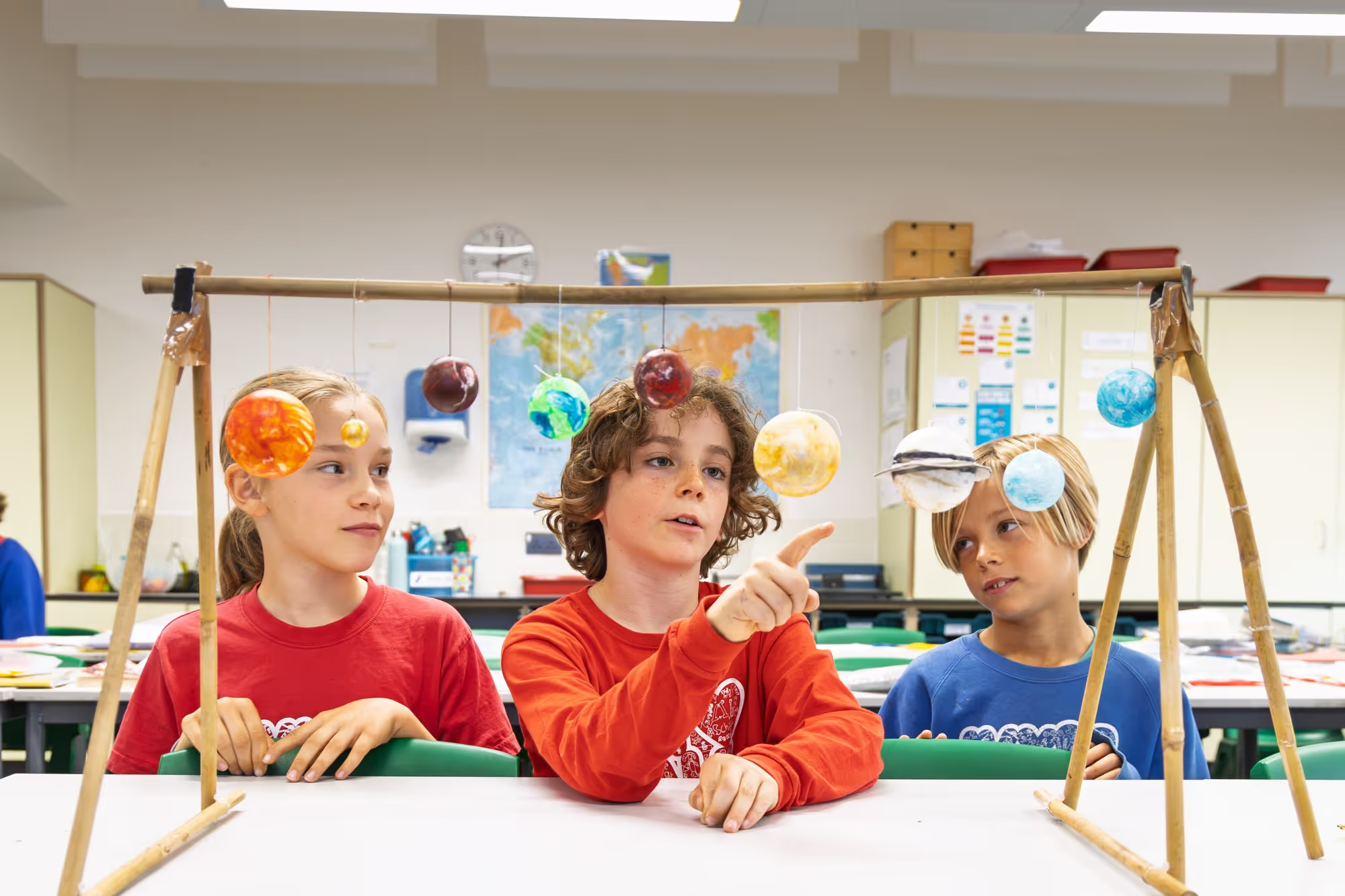
Science is taught through practical enquiry, observation and investigation. Children learn to ask questions, make predictions, carry out fair tests and record findings using age-appropriate methods. Across the school, pupils build knowledge of biology, chemistry and physics through topics that link to real-world contexts and class themes. Teachers use models, diagrams and scientific vocabulary to support understanding and ensure pupils revisit key ideas as they move through the year groups.

Curriculum maps

Impact

By the end of Year 6, pupils can design and carry out investigations with increasing independence. They use scientific language accurately, interpret results and draw reasoned conclusions. They have a secure understanding of key concepts such as forces, electricity, light, materials and living things, and can explain their ideas clearly using evidence.

How you can help at home

Encourage your child to ask questions about the natural world and explore simple investigations at home, such as observing shadows, melting ice or growing plants. Visit museums, nature reserves or parks to spark curiosity. Talk about science in everyday life — cooking, weather, materials, electricity — and enjoy exploring new ideas together.